Managing waste properly is an essential part of any home project, clear-out, or small construction job. Without a clear plan, rubbish can build up quickly and cause delays. Affordable skip hire offers a simple and reliable way to keep your site tidy while staying within budget.
For many homeowners and contractors, skip hire Slough is a practical solution because it combines convenience with responsible waste handling. Understanding costs, permits, and smart usage tips helps you avoid unnecessary expenses and keeps your project running smoothly.
Why Skip Hire Is a Cost-Effective Waste Solution
Skip hire provides a central place for waste. This reduces repeated trips to recycling centres and saves time and fuel. It also helps maintain a clean working area, which improves safety and efficiency.
When planned properly, skip hire is often more affordable than alternative disposal methods. One skip can handle a large volume of waste in a single hire period. This makes it easier to manage costs and avoid last-minute surprises.
Understanding Skip Hire Costs
Skip hire prices vary depending on several factors. Size is the main one. Larger skips cost more but can handle greater volumes of waste. Hire duration also affects pricing, especially if the skip is kept longer than planned.
Other factors include waste type and location. Mixed waste may cost more to process than clean materials. In some areas, placement on public land can add permit fees. Knowing these factors in advance helps you budget accurately.
Choosing the Right Skip Size
Selecting the correct skip size is key to keeping costs under control. A skip that is too small may need replacing, while an oversized skip can be unnecessary.
Common skip sizes suit different needs:
- Small skips work well for garden clearances or minor renovations
- Medium skips suit kitchen or bathroom refits
- Large skips are ideal for major building work or full house clear-outs
Accurate planning ensures you only pay for what you need.
Permit Requirements Explained
Skip permits are often required when a skip is placed on a public road or pavement. These permits are issued by the local council and may take time to arrange.
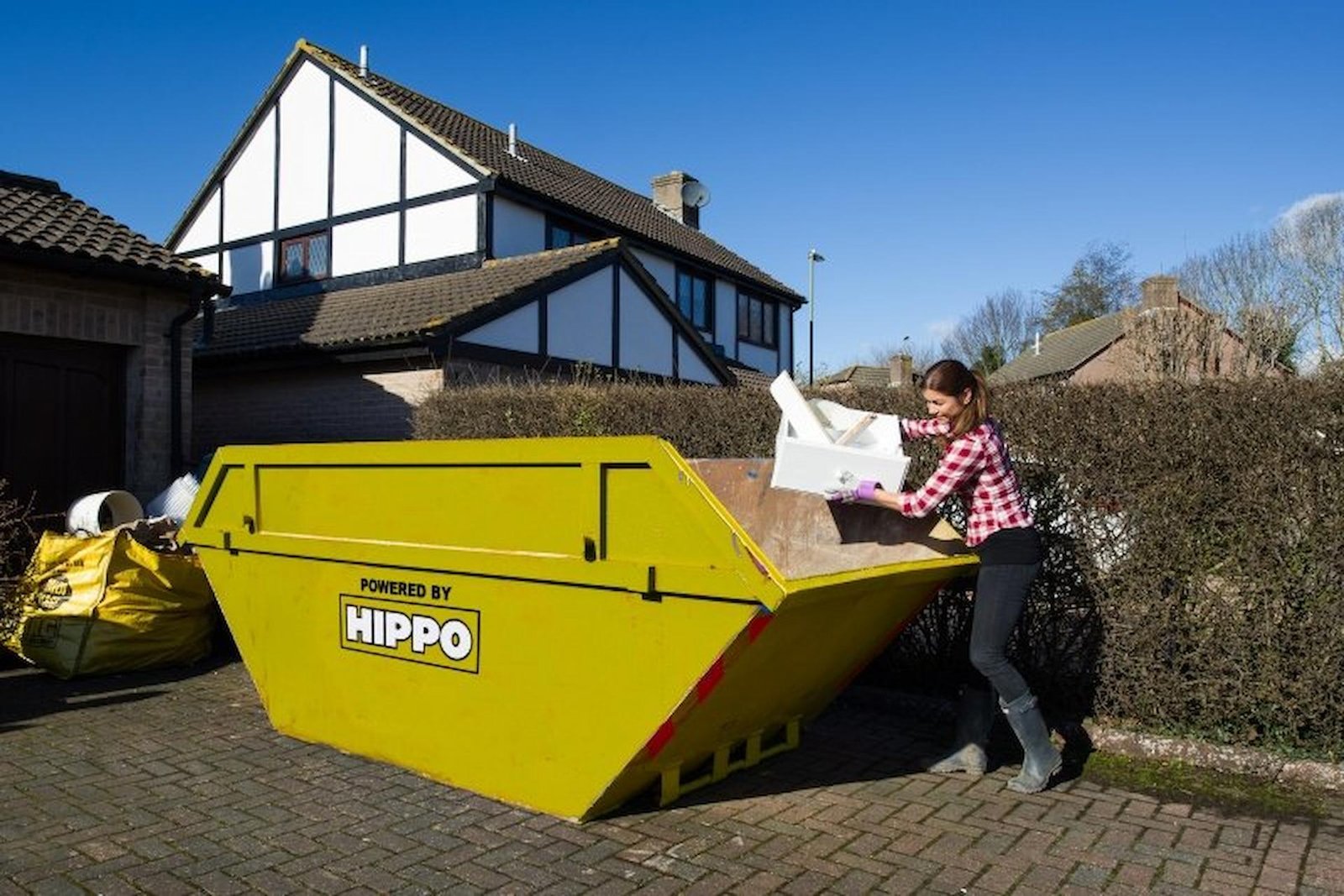
If you have private space, such as a driveway, permits are usually not needed. This can reduce both costs and waiting time. Checking placement options early helps avoid delays and penalties.
Understanding permit rules is especially important in busy areas. Proper planning keeps your project compliant with local regulations.
What Can and Cannot Go into a Skip
Most household and construction waste is accepted. This includes wood, bricks, soil, tiles, and general rubbish. Old furniture and fittings are also commonly allowed.
However, certain items are restricted due to safety and environmental rules. These often include electrical appliances, tyres, gas bottles, and hazardous materials. Paints and chemicals may also require special disposal.
Knowing these limits helps avoid extra charges or collection delays.
How to Keep Skip Hire Affordable
There are several practical ways to reduce skip hire costs. Planning waste disposal early is one of the most effective steps. Estimating waste volume accurately avoids the need for additional hires.
Loading the skip correctly also matters. Break down bulky items where possible and load evenly. This maximises space and prevents overfilling issues.
Booking the skip for the right duration helps avoid extension fees. Clear scheduling keeps costs predictable.
Environmental Responsibility and Recycling
Responsible waste disposal is now a priority for many households and businesses. Skip hire services often sort waste after collection to separate recyclable materials.
Recycling reduces landfill use and supports environmental standards. It also ensures waste is handled legally and responsibly. Choosing proper waste disposal methods reflects good practice and social responsibility.
Safety Benefits of Using a Skip
A skip keeps waste contained in one place. This reduces trip hazards and keeps sharp materials away from walkways. A tidy site is safer for workers, family members, and visitors.
Immediate waste disposal also prevents debris from spreading around the property. This is particularly important during renovations or large clear-outs.
When Skip Hire Makes the Most Sense
Skip hire is suitable for many situations. Home renovations, garden projects, office clear-outs, and small building works all benefit from having a dedicated waste container.
For ongoing projects, skip hire Slough services offer flexibility and reliability. Waste can be managed as it is created, keeping the project organised and efficient.
Tips for a Smooth Skip Hire Experience
Good communication helps avoid problems. Confirm waste types, delivery times, and collection dates in advance. Make sure access is clear for delivery vehicles.
Position the skip carefully to avoid blocking entrances or neighbouring properties. Simple preparation ensures the skip is delivered and collected without issues.
Conclusion
Affordable skip hire is about more than just price. It is about choosing the right size, understanding permit rules, and using the skip correctly. With proper planning, skip hire becomes a cost-effective and stress-free solution for waste management.
By managing waste responsibly and efficiently, you keep your project safe, organised, and on schedule. A clear approach to skip hire saves time, reduces costs, and supports a cleaner working environment from start to finish.