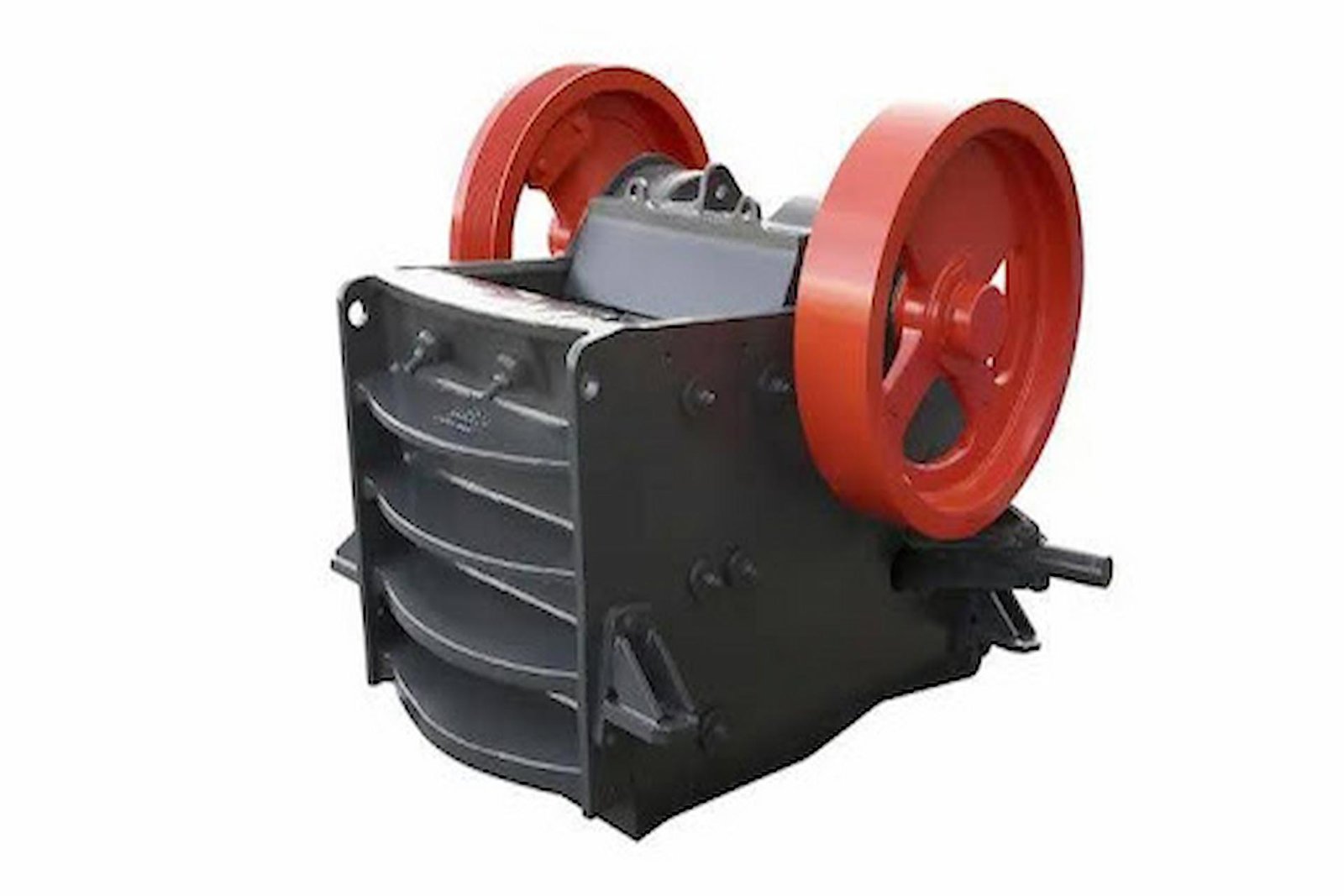
Efficiency gains in material processing often begin with the way primary crushing is handled. Stationary jaw crushers influence output stability, energy use, and wear patterns long before secondary stages come into play. Understanding their role clarifies why controlled crushing conditions lead to smoother operations, lower operating strain, and more predictable performance.
Crushing Efficiency Starts With the Right Foundation
Efficiency in crushing operations is rarely achieved through isolated upgrades. It begins with the stability and reliability of the primary crushing stage. When the first point of material reduction performs consistently, every downstream process benefits. Stationary jaw crushers are designed to deliver this level of stability, creating a dependable base for continuous production.
-
Structural stability that supports performance
A fixed installation allows the crusher to absorb high crushing forces without excessive vibration. This structural rigidity helps maintain alignment, reduces mechanical stress, and supports consistent output over long operating periods.
-
Predictable feed handling
Controlled feed arrangements are easier to maintain in stationary setups. Even material flow reduces the likelihood of blockages and prevents sudden load variations that can interrupt production.
-
Optimised crushing geometry
Jaw profiles and chamber designs can be selected to suit specific material characteristics. This improves reduction efficiency while limiting unnecessary reprocessing and energy waste.
Built for Consistency, Not Compromise
Consistency is one of the most valuable assets in any processing operation. Equipment designed for fixed use prioritises uniform performance rather than flexibility. This approach reduces variability and allows operators to plan production with greater confidence.
-
Stable operating conditions
Stationary systems operate under constant conditions, limiting fluctuations that can affect product size and throughput. This predictability supports smoother downstream processing.
-
Controlled output size
Maintaining a uniform output reduces strain on secondary crushers and screens. Consistent sizing improves overall system balance and minimises corrective handling.
-
Reduced operational interruptions
Fewer mechanical adjustments and repositioning requirements mean fewer opportunities for disruption during normal operations.
Energy Efficiency Hidden in Plain Sight
Energy efficiency is often associated with power ratings, but real gains come from how equipment behaves under load. Stable crushing conditions allow energy to be used more effectively, reducing waste and unnecessary strain.
Why steady operation matters
Fluctuating loads force motors to work harder than necessary. Stationary installations maintain steady feed and crushing pressure, allowing motors to operate closer to optimal efficiency ranges.
Reduced idle and restart losses
Continuous operation minimises energy losses caused by frequent stops and restarts. Over time, this contributes to noticeable reductions in energy consumption per tonne processed.
Downtime Reduction Through Smarter Design
Unplanned downtime remains one of the most significant threats to productivity. Fixed crushing systems are designed to minimise common causes of stoppages by simplifying layouts and reducing mechanical variability.
Fewer moving variables
With no need for relocation or repeated setup, stationary crushers eliminate alignment issues that often lead to mechanical failure.
Maintenance access built in
Fixed layouts allow maintenance access to be planned into the installation. Clear access supports faster inspections and more efficient servicing routines.
Longer component life
Reduced shock loading and vibration extend the lifespan of wear parts, making maintenance schedules more predictable.
How Primary Crushing Shapes Overall Productivity
Primary crushing determines how smoothly material moves through the entire processing circuit. Inconsistent first-stage reduction forces downstream equipment to compensate, reducing overall efficiency.
By delivering uniform material flow, stationary jaw crushers reduce bottlenecks and help secondary stages operate within their intended design limits. This leads to steadier throughput without increasing operational complexity.
Practical Ways to Maximise Efficiency in Fixed Crushing Setups
Operational discipline plays a major role in realising the full potential of stationary installations. Small adjustments in monitoring and planning can deliver meaningful efficiency gains.
- Match crusher capacity to realistic feed rates rather than peak conditions
- Monitor wear patterns to maintain consistent output sizing
- Keep feed evenly distributed across the crushing chamber
- Base inspections on operating hours instead of calendar intervals
These practices support long-term performance stability and cost control.
The Role of Integration in Modern Processing Plants
Efficiency improves when equipment functions as part of a coordinated system rather than as individual machines. Fixed installations allow closer integration across the processing line.
Matching crushers to the wider system
Stationary layouts make it easier to align crushers, screens, and conveyors for balanced material flow. This reduces corrective handling and improves throughput stability.
Automation readiness
Stable installations integrate more effectively with monitoring and control systems. Load tracking and predictive maintenance tools perform best under consistent operating conditions.
Closing Remark
Sustained efficiency depends on predictability, not constant intervention. From energy management to maintenance planning, stable primary crushing influences every aspect of material processing. By delivering consistent feed, controlled output, and reduced mechanical stress, stationary jaw crushers support a shift from reactive problem-solving to planned optimisation.
For operations focused on long-term productivity, fixed crushing solutions provide more than mechanical strength. They create the conditions needed for reliable performance, measured decision-making, and continuous improvement across the entire processing chain.