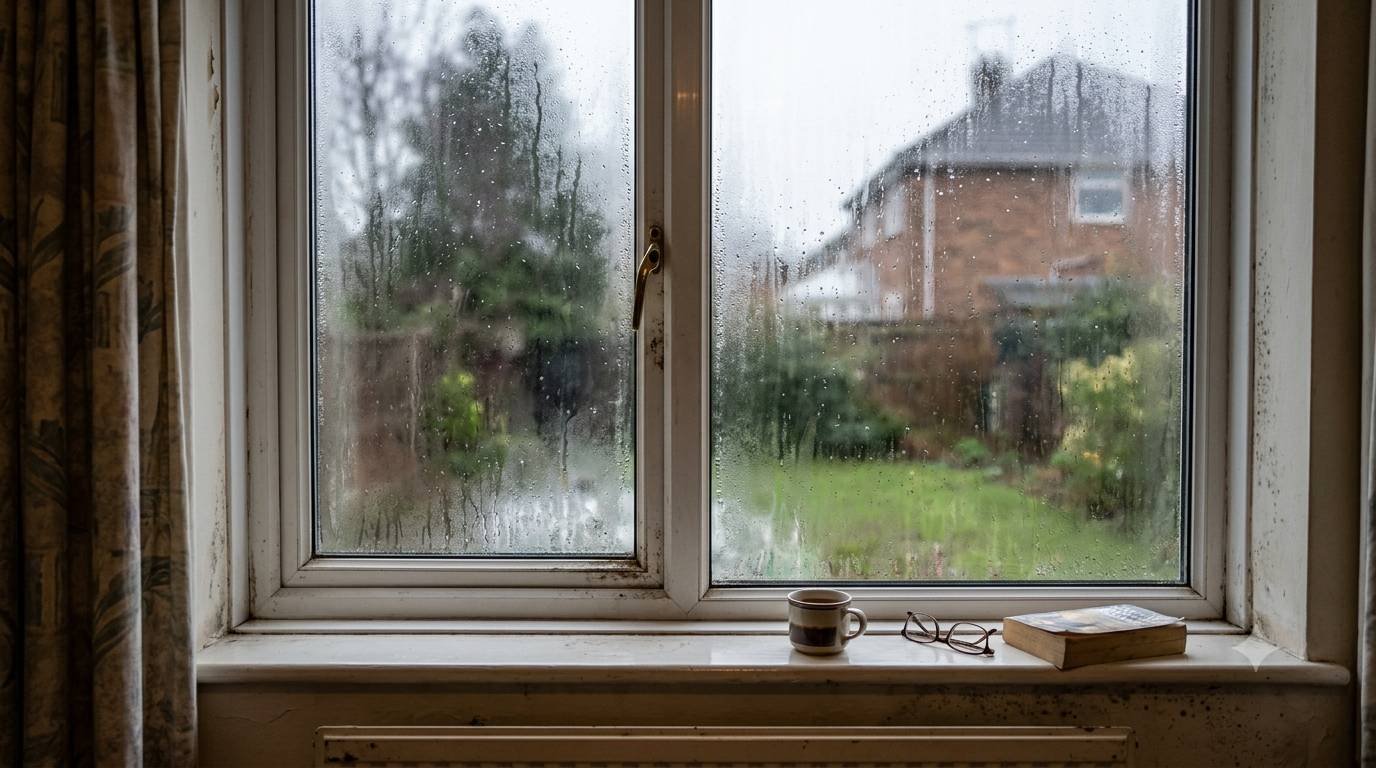
Misted windows may look like a minor cosmetic problem, but they can affect comfort, insulation, and heating costs. Moisture trapped between the panes often signals a failed sealed unit. Understanding the cause helps you take action early, avoid wasted energy, and restore the clear appearance and performance of your glazing.
Misted windows are easy to ignore because they may still open, close, and lock normally. However, moisture between the panes usually means the sealed glass unit has failed. Arranging misted double glazing replacement can restore clearer views and improve the window’s thermal performance. It may also prevent ongoing heat loss and unnecessary heating costs. The problem often starts with light condensation near the edges. Over time, the misting may spread across more of the glass.
What Misted Double Glazing Really Means
Double glazing contains two panes of glass with a sealed space between them. This gap helps reduce heat transfer through the window. The space may contain air or an insulating gas. Both support better thermal performance when the unit remains properly sealed. When the edge seal fails, moisture can enter the gap. Temperature changes then cause condensation to appear between the panes.
This moisture cannot be wiped away from inside or outside the room. It remains trapped within the sealed unit.
Why the Seal Can Fail
Double-glazed units are designed to last for many years. However, weather exposure, movement, age, and wear can gradually weaken the seals. Strong sunlight can heat the glass and surrounding materials. Colder temperatures then cause them to contract. This repeated expansion and contraction places pressure on the sealed edges. Over time, small gaps may begin to form. Poor installation can also increase the risk of early failure. Incorrect fitting may place unnecessary pressure on the glass or frame.
Misted Glass Can Reduce Insulation
The sealed space between the panes plays an important role in insulation. Once the seal fails, the unit may not retain heat as effectively. Cold air near the window can make the room feel less comfortable. You may notice that the area beside the glass feels cooler than the rest of the room. This can be especially noticeable during winter. Larger windows may create a stronger feeling of cold if several units have failed. The heating system may need to work longer to maintain the desired temperature. This increases energy use without fully solving the comfort problem.
The Hidden Cost of Heat Loss
A misted window does not create a separate charge on your energy bill. The cost appears through longer heating periods and increased energy consumption. Homeowners may raise the thermostat because the room feels cold. However, additional heating cannot restore the damaged insulating layer. One failed unit may have a limited effect. Several misted windows can create a more noticeable loss of heat. Rooms may also take longer to warm up. The temperature can fall more quickly after the heating is switched off.
Misting Can Affect Natural Light
Clouded glass reduces the amount of clear daylight entering a room. This can make the space feel darker and less inviting. Heavy misting may create a dull or stained appearance. Even regular cleaning will not improve glass when the moisture is trapped inside. Reduced natural light may lead to more frequent use of lamps during the day. This can add slightly to household electricity use. Clear glazing helps rooms feel brighter and more open. It also improves visibility through windows and glazed doors.
The Effect on Your Home’s Appearance
Misted glazing can make otherwise well-maintained windows look old or neglected. It may affect the appearance of both the interior and exterior. The problem is often more noticeable on large panes, patio doors, and front-facing windows. Sunlight can make the cloudiness easier to see. For homeowners preparing to sell, damaged glazing may also concern potential buyers. It can suggest that repairs or maintenance will be needed. Replacing the failed unit can improve the overall presentation of the property. It provides a cleaner and more cared-for appearance.
How to Identify Internal Misting
It is important to confirm where the condensation is located. Moisture on the inner surface is not always a sign of failed double glazing. Surface condensation can often be wiped away. It may be caused by indoor humidity, limited ventilation, cooking, or drying clothes indoors. External condensation can also appear on efficient windows. This often happens when the outside pane remains cold. Condensation trapped between the panes is different. It usually remains visible even after both accessible surfaces have been cleaned. Look at the glass from several angles. If neither surface feels wet, the moisture is probably inside the sealed unit.
Why Replacement Is Often the Best Solution
A failed sealed unit cannot usually be restored through normal cleaning or maintenance. The moisture is trapped in a space that cannot be reached. At this stage, misted double glazing replacement is often the most dependable option. It removes the damaged unit and replaces it with correctly sealed glass. This approach restores clarity and improves insulation. It also addresses the actual cause rather than temporarily hiding the symptoms. The replacement unit must be measured accurately. The correct thickness, glass type, and spacer size are important for a proper fit.
The Full Window May Not Need Replacing
Many homeowners assume that misted glazing means the entire window must be replaced. This is not always necessary. If the frame remains strong and secure, only the failed glass unit may need changing. The existing frame can often stay in place. This makes the work more focused and less disruptive. It can also reduce unnecessary material waste. A professional should still inspect the frame before replacement. Damaged seals, drainage problems, or distorted sections may also need attention.
Why Temporary Repairs May Not Last
Some methods claim to remove moisture by drilling holes into the glass. These treatments may improve visibility for a short time. However, they do not recreate the original sealed gap. The unit may remain less effective at retaining heat. Holes and vents can also provide new routes for moisture to enter. The misting may return after a short period. Applying sealant around the outside of the frame is also unlikely to solve internal condensation. The failed section is usually within the sealed glass unit. A proper replacement deals with the damaged component directly. It provides a more reliable long-term result.
When to Arrange an Inspection
You should consider an inspection when misting remains for several days. It is also sensible when the affected area continues to spread. Cracks, water leaks, loose glazing beads, or damaged frames require prompt attention. These issues may affect safety as well as performance. Several failed units may indicate that windows are reaching a similar age. A glazier can inspect each affected area and explain the available options. Early action can help limit further heat loss. It may also prevent staining from becoming more severe inside the unit.
How to Reduce Future Problems
Regular window checks can help identify early signs of damage. Look for cracked seals, loose sections, and water collecting around the frame. Keep drainage channels clear where they are present. Blocked drainage can allow moisture to remain around the window. Avoid slamming windows or forcing stiff handles. Repeated movement can place pressure on frames and sealed units. Indoor ventilation remains important for controlling surface condensation. However, it cannot repair moisture trapped between the panes. Cleaning frames carefully can also help preserve seals. Avoid harsh tools that may damage flexible materials around the glass.
Choosing the Right Replacement Glass
The replacement unit should match the size and requirements of the existing window. Accurate measurements are essential. The glass may need to meet specific safety or performance standards. This is especially important for doors, low-level windows, and certain locations. A professional glazier can identify the suitable glass type. They can also ensure that the unit is installed with the correct support and seals. Proper fitting helps reduce pressure on the new unit. It also supports longer-lasting performance.
Wrapping Up
Misted double glazing is more than an appearance issue. It usually indicates that the sealed unit has failed and is no longer working as intended. The damage can reduce insulation, limit natural light, affect comfort, and increase heating demand. The problem may become more noticeable as moisture and staining continue to build. First, confirm that the condensation is trapped between the panes. Then check whether the surrounding frame appears secure and undamaged. In many cases, the glass unit can be replaced without changing the entire window. This restores clarity while keeping a suitable existing frame in place. Temporary drying methods may improve the appearance briefly, but they rarely restore the original seal. Proper replacement provides a more dependable solution. When the haze cannot be wiped away and keeps returning, misted double glazing replacement can restore the window’s appearance, insulation, and everyday performance.