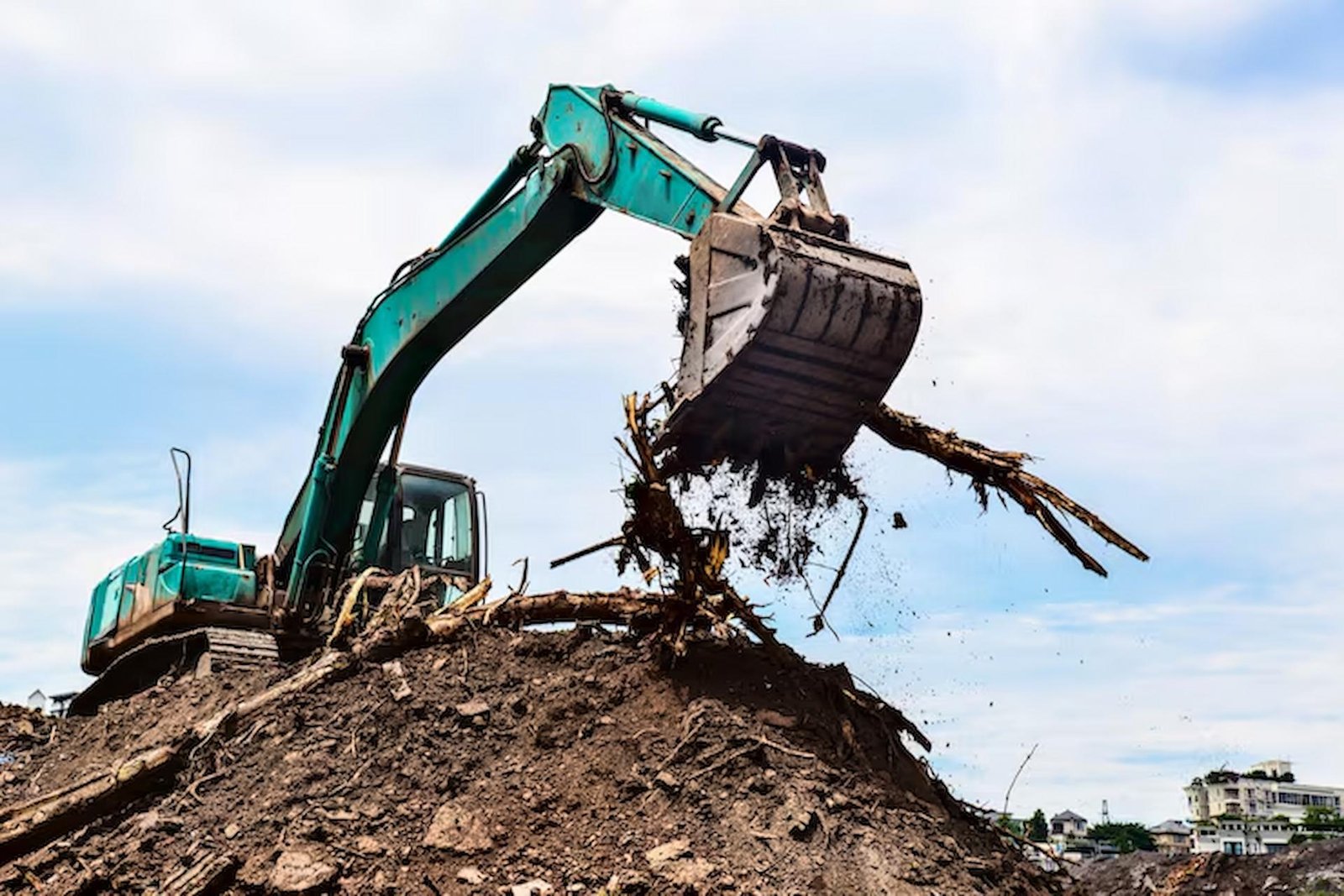
Demolition projects involve much more than simply tearing down a structure. Every successful project requires careful planning, strict safety procedures, environmental responsibility, and experienced coordination from start to finish. Across Buckinghamshire, demolition work is becoming increasingly important as older buildings are cleared to make way for redevelopment, modern housing, commercial expansion, and infrastructure improvements.
Whether it is a residential property, an industrial unit, or a commercial site, each project presents unique structural, legal, and logistical challenges that must be managed effectively. Property owners often underestimate the importance of permits, waste handling, asbestos inspections, and neighbour communication until problems arise.
1. Understand the Scope Before Work Begins
Every demolition project starts with a detailed assessment of the structure, the surrounding environment, and long-term site plans. Older buildings across Buckinghamshire often contain hidden structural challenges, outdated materials, or restricted access points that can complicate timelines. Professional contractors usually conduct surveys before machinery arrives to identify utilities, asbestos risks, and neighbouring property concerns.
A clear scope also prevents budget overruns. Residential garage removal differs significantly from large-scale commercial demolition involving reinforced concrete or multi-storey structures.
- Avoid surprises by requesting a structural survey before approving demolition work.
- Check utilities early to ensure gas, water, and electricity disconnections are properly arranged.
- Use phased planning for larger sites to minimise disruption and maintain safer workflows.
2. Planning Permission and Regulations Matter
Not every structure can simply be knocked down overnight. Many demolition Buckinghamshire projects require local authority notifications, environmental checks, and compliance with UK construction regulations. Listed buildings and properties within conservation areas often face additional restrictions.
Contractors familiar with regional regulations can help navigate approvals faster while reducing legal risks. Ignoring paperwork may lead to fines, project delays, or forced stoppages midway through the process.
- Confirm requirements with Buckinghamshire Council before scheduling demolition dates.
- Review conservation rules carefully when dealing with heritage or rural properties.
- Prepare documentation, including waste management plans and structural notices.
3. Safety Should Never Be Treated as Optional
Demolition remains one of the highest-risk sectors within construction. Falling debris, unstable structures, dust exposure, and heavy machinery all create hazards that require strict control measures. Reputable contractors invest heavily in safety training, protective equipment, and controlled demolition techniques.
Modern demolition sites now rely on engineered dismantling methods instead of uncontrolled destruction. This approach protects workers, nearby residents, and neighbouring structures.
- Prioritise accredited contractors with recognised health and safety certifications.
- Install protective barriers around active work zones to reduce public risk.
- Monitor air quality during demolition to control harmful dust and debris.
4. Waste Management Plays a Bigger Role Than Most Expect
A large percentage of demolition costs often comes from waste handling and material disposal. Concrete, timber, steel, bricks, and hazardous materials must be separated and processed correctly in accordance with UK environmental standards.
Experienced demolition teams in Buckinghamshire increasingly focus on recycling and sustainable recovery methods. Crushed concrete can sometimes be reused as a base for future construction, reducing landfill use and transportation costs.
- Separate recyclable materials early to improve recovery efficiency.
- Reduce landfill dependency by working with environmentally focused contractors.
- Request waste reports to understand recycling percentages and disposal practices.
5. Different Buildings Require Different Demolition Methods
Not all demolitions involve giant excavators swinging wrecking balls. Soft strip demolition, selective dismantling, deconstruction, and high-reach mechanical demolition each serve different project needs.
For example, commercial interior removals often require precision dismantling to preserve surrounding structures. Meanwhile, rural property clearance may rely on mechanical demolition for faster turnaround times.
- Choose targeted methods based on building size, location, and redevelopment goals.
- Use selective demolition when preserving part of a structure during renovations.
- Consider noise restrictions in residential neighbourhoods in Buckinghamshire.
6. Project Timelines Depend on More Than Building Size
People often assume larger structures always take longer to remove, but access limitations, permits, weather, and hazardous materials can slow smaller projects significantly. A compact site in a busy Buckinghamshire town may require more logistical coordination than a larger open rural property.
Proper scheduling keeps equipment, labour, and waste removal aligned efficiently. Delays usually occur when planning is rushed in the early stages of a project.
- Allow contingency time for weather disruptions and permit approvals.
- Coordinate site access for machinery, skips, and transport vehicles.
- Schedule inspections throughout the demolition process to prevent setbacks.
7. Asbestos Surveys Are Critical for Older Properties
Buildings constructed before modern regulations may still contain asbestos in roofing, insulation, ceiling tiles, or pipework. Disturbing asbestos during demolition can create severe health risks and immediate legal consequences.
Before starting demolition Buckinghamshire work, licensed asbestos inspections are often legally required. Specialist removal teams then handle hazardous materials before full structural demolition begins.
- Arrange professional surveys before any structural dismantling occurs.
- Use certified asbestos specialists for safe removal and disposal.
- Delay demolition work until hazardous materials are fully cleared.
8. Neighbour Communication Reduces Complaints and Delays
Noise, vibration, dust, and road disruption can quickly frustrate neighbouring residents or businesses. Clear communication helps maintain smoother relationships throughout the project.
Experienced contractors often provide schedules, contact details, and updates to nearby properties before work starts. Small proactive steps can prevent formal complaints or council involvement later.
- Notify neighbours early about expected timelines and disruptions.
- Limit noisy operations during sensitive hours whenever possible.
- Provide contact information for rapid issue resolution during the project.
9. Choosing the Right Contractor Makes the Biggest Difference
The quality of a demolition project often depends entirely on the contractor managing it. Reliable companies combine technical expertise, regulatory knowledge, environmental awareness, and strong project coordination.
Instead of choosing purely on price, property owners should evaluate experience, insurance coverage, safety records, and previous project examples. A well-managed demolition creates a safer foundation for future construction.
- Compare credentials rather than focusing only on low quotations.
- Review previous projects similar to your planned demolition work.
- Verify insurance coverage before signing any agreements.
Conclusion
Successful demolition projects require far more than heavy machinery and quick site clearance. Careful planning, safety management, environmental responsibility, and skilled execution all shape the outcome. Whether preparing land for redevelopment or removing outdated structures, informed decisions lead to smoother, safer, and more cost-effective results throughout Buckinghamshire.