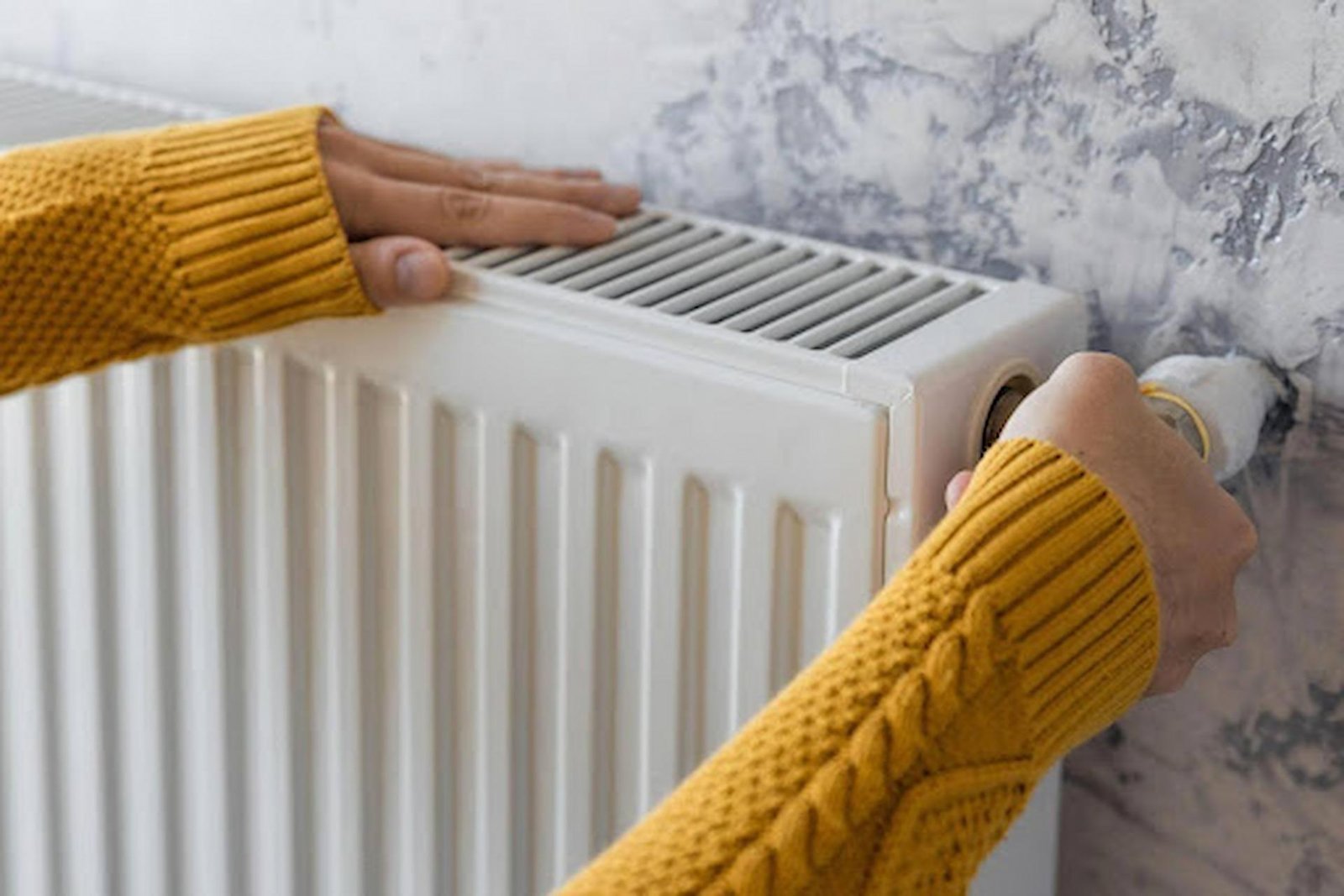
Ever noticed how some rooms feel cosy while others never quite warm up? The reason often comes down to radiator design and performance — details that are easy to overlook but make a noticeable difference. From how evenly heat is distributed to how efficiently energy is used, the right radiator influences not just comfort, but how your home feels throughout the day and how much it costs to keep it warm.
Heating Choices That Shape Everyday Living
Some rooms in your home feel instantly cosy, while others never seem to warm up no matter how high the thermostat goes. The difference often comes down to the radiator. It’s not just a metal panel on the wall — it’s the heart of your heating system, quietly shaping comfort, efficiency, and energy use every day.
So, what makes a good radiator? It’s more than heat output. A good radiator is the right size for the room, spreads warmth evenly from corner to corner, holds heat efficiently, and responds quickly to temperature changes. Features like high-quality materials, smart or thermostatic controls, and durable design ensure it keeps performing consistently — without wasting energy or leaving cold spots behind.
How Radiator Choice Shapes Comfort and Energy Spending
Heating typically accounts for a significant portion of household energy use. When radiators are poorly matched to a space, rooms may take longer to warm or feel uneven. This often leads to higher thermostat settings, longer heating cycles, and increased energy bills.
A well-chosen radiator helps maintain steady temperatures with less effort from the boiler. Over time, this improves comfort while keeping energy consumption under control. Small decisions at the radiator level can therefore influence both monthly costs and everyday living quality.
Heat Output: Getting the Balance Exactly Right
Understanding heat output ratings
Heat output, usually measured in watts, indicates how much warmth a radiator can provide. Selecting the correct output is essential. A radiator with insufficient output struggles to heat the room, while an oversized one may cycle inefficiently.
Heat requirements depend on factors such as:
- Room size and ceiling height
- Insulation quality
- Number and size of windows
Matching heat output to these conditions allows the radiator to operate efficiently, reaching target temperatures without unnecessary energy use.
Design Features That Improve Heat Distribution and Comfort
How construction influences heating behaviour
Radiator materials affect how heat is released and retained. Steel radiators provide steady warmth and hold heat well once warm. Aluminium models heat up faster, making them responsive to quick temperature changes.
The most important factor is consistency. A good radiator delivers reliable warmth without sharp fluctuations, helping rooms feel comfortable rather than stuffy or uneven.
How Smart Design Improves Heat Distribution
Surface area and airflow efficiency
Modern radiator designs focus on maximising surface area. Internal fins and layered panels allow more heat to transfer into the room without increasing physical size. Improved airflow ensures warmth spreads evenly rather than gathering in one area.
Slim, well-designed radiators can also support better circulation, allowing heated air to move naturally around the room. This improves comfort while maintaining a clean, unobtrusive appearance.
How Modern Radiators Respond to Your Home
Compatibility with heating controls
Radiators should work effectively with thermostatic radiator valves and smart heating systems. These controls allow precise room-by-room temperature adjustment, preventing overheating and reducing energy waste.
A responsive radiator warms up when needed and maintains heat efficiently once the desired temperature is reached. This responsiveness plays a key role in answering what makes a good radiator for modern households focused on control and efficiency.
Energy Efficiency Where It Counts Most
Supporting lower flow temperatures
Modern heating systems increasingly operate at lower water temperatures to improve efficiency. Radiators designed to perform well under these conditions deliver sufficient heat without forcing the system to work harder.
Efficient radiators help:
- Reduce boiler strain
- Maintain stable indoor temperatures
- Support future-ready heating upgrades
This approach benefits both energy use and long-term system performance.
Strength, Lifespan, and Long-Term Peace of Mind
Durability as a measure of quality
A radiator is a long-term fixture. Quality construction, protective finishes, and pressure-tested designs ensure consistent performance year after year. While cost matters, durability often determines real value.
A reliable radiator reduces maintenance concerns and avoids performance decline, contributing quietly to household comfort across many heating seasons.
Practical Guidance for Smarter Radiator Selection
- Size for the space: Calculate heat needs accurately to avoid under- or over-heating.
- Focus on even warmth: Choose designs that enhance airflow and surface efficiency.
- Check control compatibility: Ensure smooth operation with modern valves or smart systems.
- Think long term: Prioritise build quality and consistent performance over time.
These steps simplify decision-making and help avoid common heating inefficiencies.
Comfort Is More Than Just Warm Air
Creating a balanced indoor environment
True comfort comes from consistency. Even warmth reduces cold spots, supports indoor air quality, and lowers the risk of condensation. A well-performing radiator maintains balance without constant adjustment.
When carefully selected, a radiator blends into daily life, delivering dependable warmth without drawing attention to itself.
Closing Remarks
Selecting the right radiator is about making informed, practical choices that support both comfort and efficiency. From correct heat output to responsive design and durable construction, each element influences how effectively your heating system performs. Understanding what makes a good radiator allows you to look beyond appearance and focus on real-world performance.
A thoughtful choice results in steady warmth, improved energy control, and fewer temperature swings throughout the day. It also prepares your home for modern heating systems that prioritise efficiency over excess heat. Whether upgrading an existing setup or planning a new installation, taking time to assess room needs, material quality, and control compatibility pays off. The right radiator works quietly in the background, reducing energy waste while enhancing everyday comfort. Make informed decisions now, and create a heating environment that supports comfort, efficiency, and long-term value.