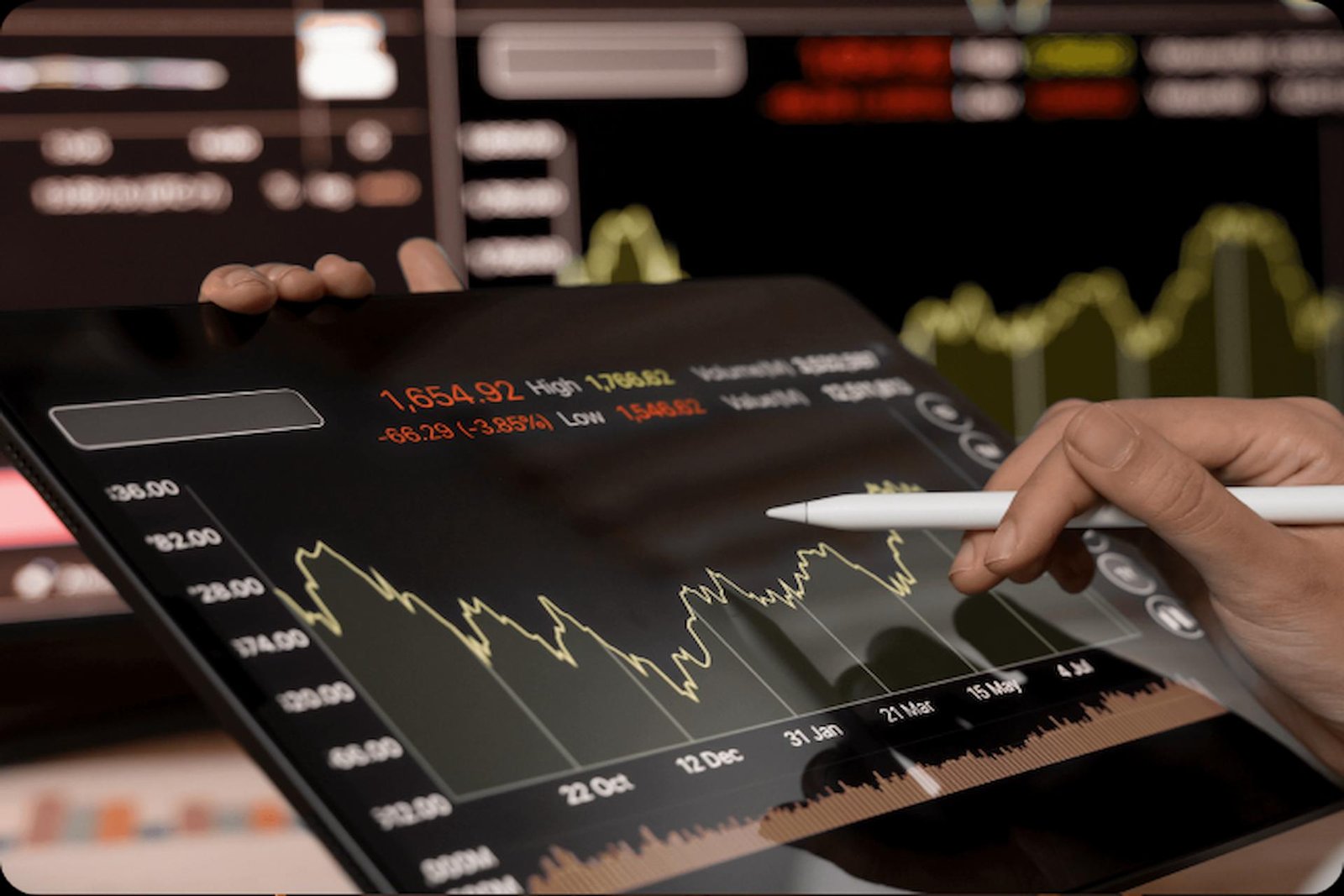
If you watch the charts at different times of the day, something starts to feel different. Movement changes, the pace shifts, and what looked clear earlier might not look the same later on.
It’s not random.
For traders in Australia, CFD trading often feels more understandable once you realise that the market doesn’t behave the same way throughout the day. It moves in phases, and those phases are linked to global market sessions.
The main ones most traders refer to are the Asian, London, and US sessions. Each one overlaps slightly with the next, and each brings a different kind of activity to the market.
You don’t need to memorise exact times to notice the difference. It’s something that becomes clearer just by observing.
During quieter periods, movement can feel slow or uneven. Price might drift without much direction, and it can be harder to see anything that stands out. For beginners, this often feels confusing, as if nothing is really happening.
Then at other times, things become more active.
Price starts moving with more purpose. Levels are reached more quickly, and reactions tend to feel sharper. For traders in Australia, this contrast is often one of the first things they notice when spending more time with CFD trading.
The timing matters because it affects how trades develop.
A setup that looks promising during a quiet session may not go very far simply because there isn’t enough activity behind it. On the other hand, a similar setup during a more active period might move more decisively.
This doesn’t mean one session is better than another.
It just means they feel different.
Some traders prefer quieter conditions because they feel slower and less intense. Others prefer more active sessions where movement is clearer and happens more quickly.
In CFD trading, the key is recognising which environment you’re in rather than expecting the market to behave the same way all the time.
There’s also the idea of overlap, when two sessions are active at the same time. These periods often bring more movement, simply because more participants are involved.
For traders in Australia, these overlaps can feel more structured compared to quieter hours.
But even then, not every moment within a session is the same.
There are times where the market pauses, even during active periods, and times where movement picks up unexpectedly. This is why experience tends to matter more than fixed rules.
Over time, you begin to notice patterns in timing.
Certain hours feel more familiar. Certain types of movement repeat. You might even find that your decisions feel clearer at specific times of the day.
For traders in Australia, CFD trading becomes easier to navigate when time is seen as part of the setup, not something separate from it.
Eventually, market sessions stop feeling like technical concepts. They become something you recognise through experience.
You don’t need to check the clock constantly. You just notice how the market feels, and that feeling often reflects which session you’re in.
And once that awareness settles in, timing becomes less confusing and more like a quiet guide in the background of your decisions.